Dermatologist Tips to Treat Dry Skin Effectively

Discover effective strategies to restore and protect your skin from dryness using proven dermatologist recommendations drawn from more than three decades of clinical experience. Treating dry skin effectively requires a dedicated skin care regimen that avoids compromising the skin’s natural protective barrier while actively working to reinforce it. A robust skin barrier effectively retains moisture and wards off dryness, also helping to prevent uncomfortable chapping. Achieving this is straightforward when you adopt the appropriate skin care practices and select the right products tailored for hydration.
Understanding the Root Causes of Dry Skin
Dry skin develops when the skin loses essential moisture along with its inherent natural oils. Once deprived of these vital components, the skin becomes more susceptible to environmental stressors, resulting in a compromised barrier function. This initiates a vicious cycle that exacerbates dryness and increases the risk of chapping across various areas of the body.

Medically, this condition is known as xerosis. Children’s delicate skin is particularly fragile and susceptible to dryness due to its thinner structure. As individuals age, the skin naturally becomes more vulnerable to moisture loss. The initial signs of dryness typically appear on the arms and legs. Hands and feet are also common sites, where the skin may thicken and develop painful cracks. Facial skin, being thinner, often experiences dryness later in life as sebaceous glands produce reduced amounts of oil.
Incorporating daily skin care practices that combat dryness is crucial, as dry skin inherently features a weakened barrier that struggles to maintain hydration and resist irritants.
The Impact of Impaired Barrier Strength in Dry Skin
This impairment manifests in two primary ways:
- Dry skin struggles to retain vital moisture, leading to elevated transepidermal water loss, and
- Harsh substances like soaps, solvents, and chemicals penetrate more easily, stripping away even more of the skin’s protective oils.
This compounding effect explains why dry skin quickly progresses toward chapping. You may notice flaking that evolves into roughness, accompanied by itching, stinging sensations, and in severe cases, blistering, cracking, or bleeding. Hands are the most frequent location for these symptoms, but any skin area-including the face, arms, legs, and lips-can be affected.
At a microscopic level, the outermost layer of the skin, known as the epidermis or skin barrier, fails to withstand everyday assaults from weather, cleansing agents, and other exposures. For instance, dry air actively extracts moisture from the skin, while soaps infiltrate chapped areas to dissolve remaining oils. Over time, the proteins in dead skin cells degrade, leading to further chapping, cracking, and damage.
Why Dry Skin Worsens in Arid Climates or During Winter
The harsh environmental conditions of dry climates or winter-characterized by cold, windy outdoor air and artificially heated, dehumidified indoor environments-aggressively deplete skin moisture. This leads to barrier disruption and pronounced dryness involving the loss of lipids, proteins, and water. Simple adjustments to your skin care routine can heal existing dryness and safeguard against chapping.
Expert Dermatologist Strategies for Managing Dry Skin
The cornerstone of both treating and preventing dry skin lies in selecting appropriate cleansing and moisturizing products and applying them using optimal techniques to maximize efficacy.
Selecting the Ideal Cleansers for Dry Skin
Opt for gentle, hypoallergenic, non-stripping soaps and cleansers that preserve the skin’s hydration. High-quality choices include soaps formulated with naturally derived, deeply moisturizing glycerin.
For facial skin, a pH-balanced cleanser is essential to maintain moisture levels and prevent dryness.
Mastering the Art of Cleansing to Avoid Dryness
The method of cleansing is just as vital as the product itself when preventing dry skin:
- Apply lather from soap or cleanser selectively to areas prone to odor, excess oil, soiling, or product buildup-typically the face, neck, upper chest and back, armpits, groin, buttocks, hands, and feet.
- Avoid direct application to larger areas like the trunk, arms, and legs, which are naturally drier, less oily, and rarely soiled.
- Employ cool to lukewarm water for cleansing dry skin; cooler temperatures during baths and washes minimize the stripping of natural oils. Hot water acts like a solvent, efficiently removing oils much as it cleans greasy cookware-use warm water to protect your skin.
- Thoroughly rinse away all soap or cleanser residue to halt any ongoing extraction of skin oils post-bath.
Top Dermatologist Recommendations for Moisturizers Targeting Dry Skin
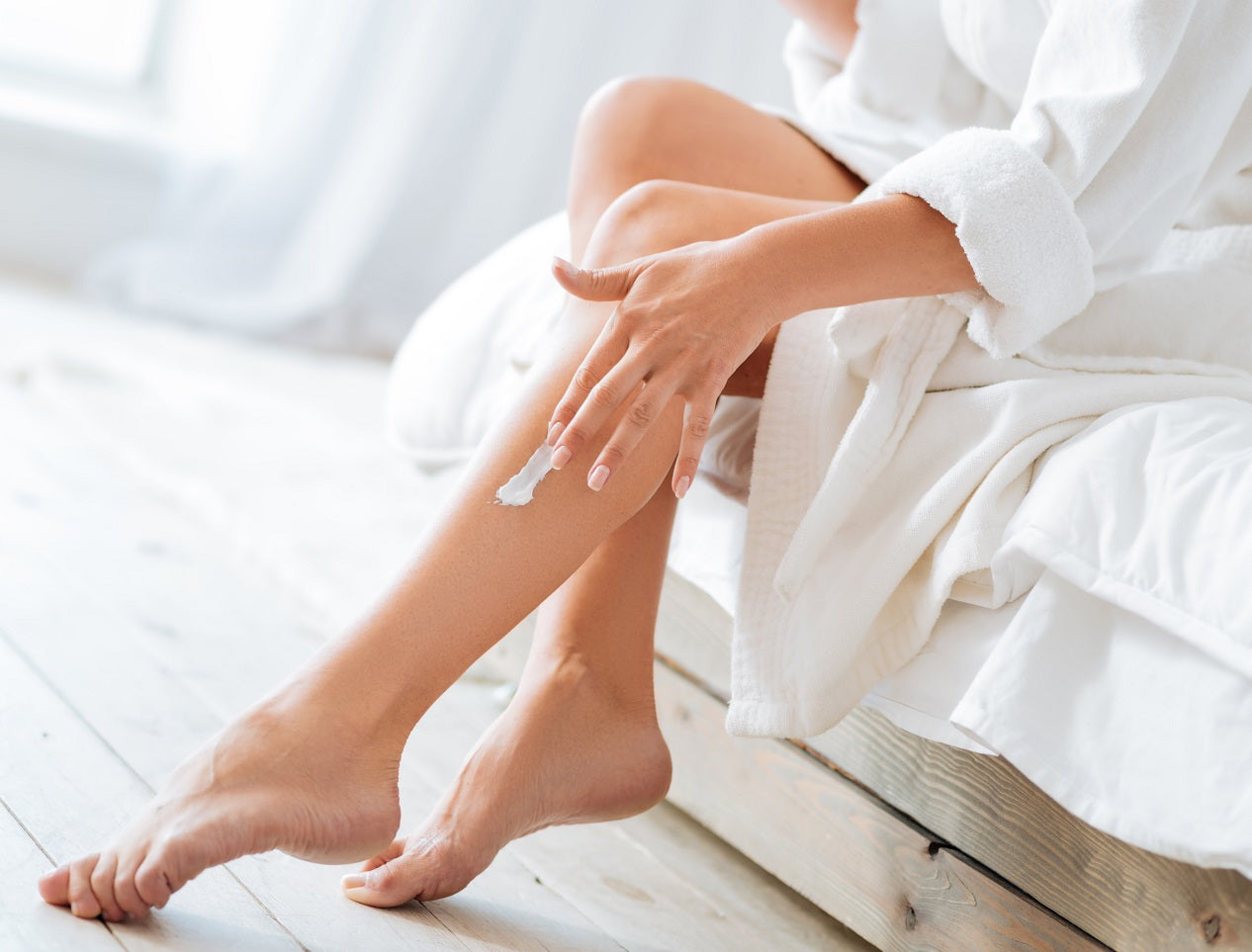
Moisturizing stands as the pivotal step in remedying dry skin, or xerosis, by sealing in the water absorbed during bathing. Traditional dermatologist-favored ingredients like mineral oil and petrolatum have long been staples in moisturizers due to their affordability and efficacy, often marketed as dermatologist-recommended. While effective, natural botanical oils offer a superior alternative in modern formulations.
Superior results come from creams and lotions blending hydrating botanical oils with water-attracting agents like glycerin. These formulations provide profound hydration without greasiness, making them suitable for the whole family and economical for full-body use.
Advanced Dry Skin Care: Beyond Basic Cleansing and Moisturizing
Elevate your routine by incorporating humectants that draw and hold water, lipid-mimicking compounds, and barrier-remodeling agents that fortify the skin’s structure against dryness.

Premier Ingredients to Empower Your Skin Against Dryness
1. Potent Humectants for Optimal Hydration:
- Hyaluronic acid
- Glycerin
- Sodium PCA, a component of the skin’s innate moisturizing factor
2. Barrier-Supporting Lipids and Enhancers:
- Squalane
- Ceramides
- Siloxanes like dimethicone, which create a shielding layer over the skin
3. Alpha Hydroxy Acids: Compacting the Dead Cell Layer
These gently exfoliate to densify the outer skin layer, enhancing its resistance to moisture loss.
The Role of Sun Protection in Preventing Dry Skin
Ultraviolet radiation contributes to skin thinning, fragility, and eventual dryness, giving sun-exposed skin a leathery, flaky appearance reminiscent of aged material. Counter this with mineral-based zinc oxide sunscreens that offer superior protection. Opt for lightweight, non-greasy, water-resistant formulas that absorb fully, even on hairy areas, for reliable daily defense on body and hands.
Does Hydrating Internally with Water Resolve Dry Skin?
Not at all. Despite common myths, dry skin does not stem from insufficient water intake. Bathing doesn’t satisfy thirst for a reason-your body’s hydration dynamics are intricate, and only extreme dehydration causes noticeable skin flaccidity. Thus, topical skin care routines are the true solution for dryness.

Prioritize Skin Care Routines Over Water Intake for Dryness Relief
For those predisposed to dry skin, adhering to dermatologist-guided protocols repairs the barrier and sustains hydration. Thoughtful skin care selections ensure your skin remains supple, moisturized, comfortable, and free from flakes throughout life.