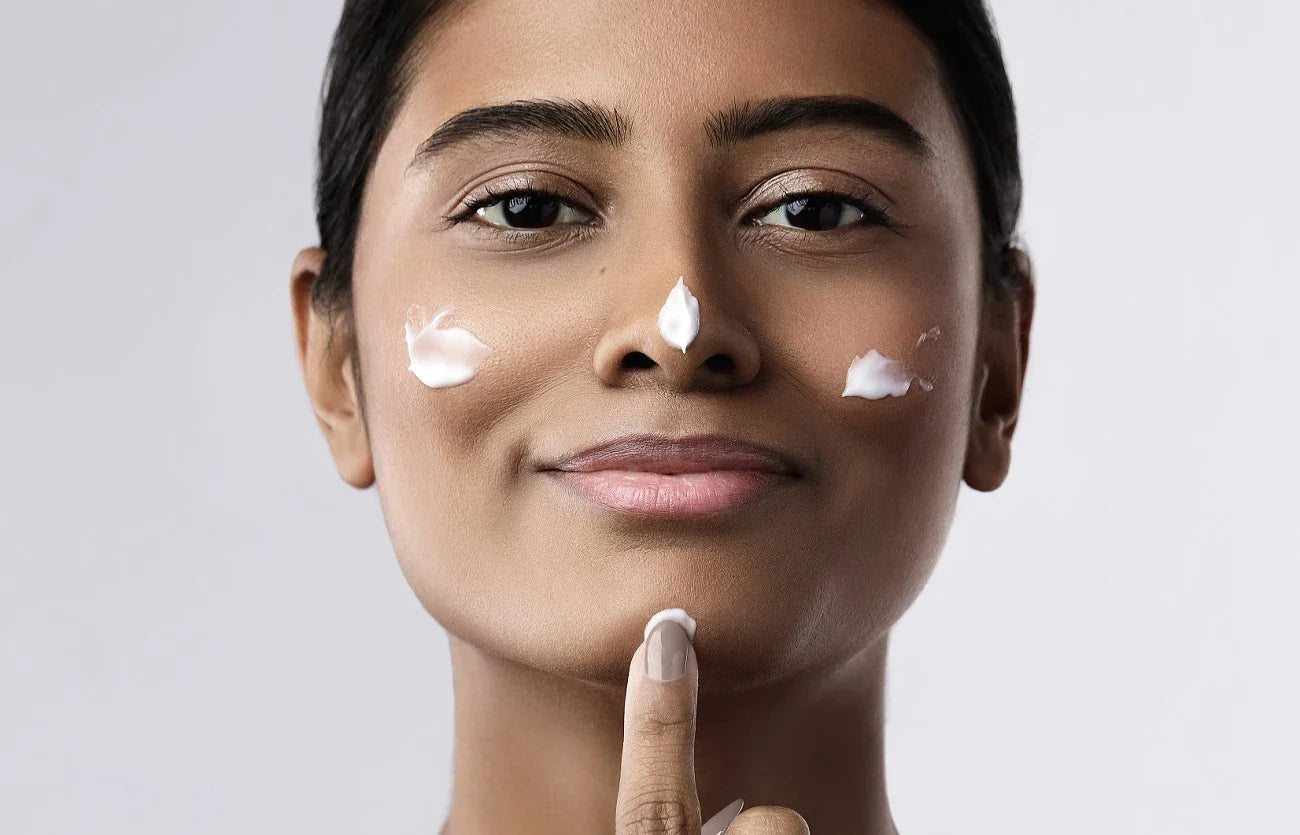
Is SPF 15 Moisturizer Enough for Daily Sun Protection?

Patients frequently visit my dermatology office inquiring whether a daily moisturizer containing SPF 15 provides sufficient sun protection for the face. They often wonder the same about makeup infused with sunscreen and if it adequately shields against sun-induced damage.
If your daily routine keeps you indoors throughout the day, such a product might offer reasonable defense against the minimal sunlight filtering through windows-primarily UVA rays, which demand broad-spectrum coverage, or reflecting from an open doorway. However, should you anticipate spending any significant time outdoors, beyond a brief dash to your vehicle, relying on that SPF 15 moisturizer or makeup creates a misleading assurance of safety, allowing fresh sun damage to accumulate on your skin.
Challenges of Depending on Moisturizer or Makeup SPF for Sun Defense

The effectiveness of sun protection from sunscreen hinges on applying a generous quantity to the skin and refreshing it every two hours. Practicality makes this unfeasible with facial moisturizers or makeup featuring SPF 15, as their primary purposes differ significantly.
- Moisturizers aim to deliver optimal hydration and a comfortable texture to the skin.
- Makeup focuses on achieving the desired aesthetic appearance.
For reliable daily sun protection, the quantity of SPF-active ingredients applied to your skin represents the pivotal factor in ensuring true defense against ultraviolet exposure.
When sunlight bathes your skin continuously, whether directly from the sky, rebounding off urban structures, concrete surfaces, sandy beaches, or penetrating glass windows, you require an ample layer of sun-protective agents on your facial area to mitigate harm.
Moreover, products utilizing chemical filters (sometimes termed ‘organic’ actives, encompassing all non-mineral options except zinc oxide or titanium dioxide) necessitate reapplication every two hours. Ultraviolet radiation degrades these chemical components upon contact. Many everyday moisturizers and foundations with SPF predominantly employ chemical actives, occasionally blended with titanium dioxide, but only in minimal concentrations to achieve SPF 15 ratings. Consequently, this protection diminishes over the course of the day, leaving your skin vulnerable.
Compounding this issue, individuals using dual-purpose moisturizers or makeup as sunscreens typically overlook the foundational protocols of sun safety: applying sufficient product initially and reapplying every two hours consistently.
On a typical day, reapplying sunscreen at two-hour intervals proves impractical for most people, underscoring the necessity for meticulous application during your morning skincare regimen.
Key Takeaway on Using SPF 15 in Daily Moisturizers and Makeup
In essence, that everyday moisturizer or foundation boasting SPF 15 likely fosters an illusion of security, permitting excessive UV penetration that leads to cumulative sun damage and pigmentation irregularities on the skin.
I assist patients in devising superior strategies to safeguard their skin effectively.
Achieving Robust Sun Protection Through Your Morning Skincare Routine
My advice to patients for standard workdays or school schedules emphasizes selecting a high-quality moisturizer that sustains hydration throughout the day, followed by layering a dedicated sunscreen that feels comfortable and performs reliably. Defining a Dermatologist-Endorsed ‘Real’ Sunscreen
Drawing from more than three decades in clinical practice, I’ve observed which sunscreens deliver tangible benefits for patients, as evidenced by their skin’s condition over time. Here are the essential qualities for your daily SPF choice:
- Opt for sunscreens rated SPF 30 to 50, explicitly marked as ‘broad spectrum’ for comprehensive coverage.
- Superior efficacy stems from formulations incorporating at least 5% mineral zinc oxide.
Expert Advice for Applying Mineral Sunscreens
To maximize efficacy, thoroughly massage your zinc oxide mineral sunscreen into the skin, ensuring even distribution of particles. This establishes a subtle, nearly invisible barrier that initiates UV reflection throughout the day.
When incorporating makeup alongside sunscreen, apply cosmetics over the sunscreen layer. Mineral-based makeup enhances protection further via the same reflective properties.

For prolonged outdoor activities, complement sunscreen with a wide-brimmed hat and prioritize shaded areas whenever feasible. In cases of intense, extended exposure, such as a full beach day-meticulously reapply sunscreen to exposed areas every two hours without fail.
Though it requires deliberate effort and foresight, these measures yield skin that appears more youthful and resilient well into the future. As widely recognized, the majority of aging signs-wrinkles, hyperpigmentation spots, and epidermal thinning, result from accumulated sun exposure. There’s no reason to invite such damage unnecessarily. Importantly, sun protection remains essential year-round, as winter UVA rays contribute significantly to premature aging and heightened skin cancer risk.
If sun spots have emerged on your skin, explore targeted strategies including skincare protocols, potent treatments, and professional interventions to diminish them effectively.
Daily sun protection forms the cornerstone of maintaining robust, healthy skin through the aging process.