Postnatal Massage: Key Benefits, Ideal Timing, and Booking Guide

A **postnatal massage** offers a profound sense of relief, akin to your first truly restorative breath after months of anticipation and change. Following the transformative journey of pregnancy and childbirth, your body undergoes far more than mere fatigue. It adapts to an entirely new physiological state, with hormonal fluctuations, interrupted sleep patterns, compensatory muscle adjustments, altered posture, and unexpected strains from everyday tasks like cradling your newborn or breastfeeding, which can heavily burden your neck, shoulders, hips, and lower back.
The true value of the optimal postnatal massage lies not in mere indulgence but in facilitating genuine recovery. It empowers your body to regain a sense of stability, comfort, and familiarity, helping you reconnect with your physical self amid the demands of new motherhood.

What Exactly is a Postnatal Massage?
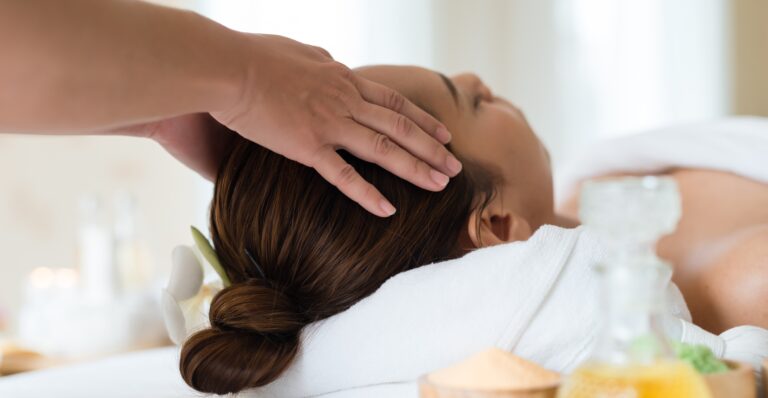
A **postnatal massage** is a specialized therapeutic treatment tailored specifically for the postpartum phase. It emphasizes alleviating deep-seated muscular tension, enhancing blood circulation, reducing stress levels, and aiding the body’s recuperation from the immense physical stresses endured during pregnancy and labor.
Unlike a standard relaxation massage, this approach is distinctly customized. An experienced therapist possesses in-depth knowledge of prevalent postpartum discomfort zones and modifies the intensity of pressure, body positioning, and specific techniques according to your individual needs and the particular stage of your postpartum recovery.
Key Benefits of Postnatal Massage
The primary **postnatal massage** advantages often manifest physically, yet the psychological uplift is equally significant and tangible. Among the many ways it supports new mothers, consider these core benefits:
- Neck and shoulder strain relief: The repetitive actions of nursing, soothing, and carrying an infant place relentless demands on these upper body regions.
- Lower back and hip discomfort reduction: Shifts in posture combined with the ongoing core muscle rehabilitation can render the hips and back feeling unsteady or painful.
- Leg and foot exhaustion alleviation: Postpartum swelling, increased body weight, and prolonged standing contribute to sensations of heaviness and soreness in the lower extremities.
- Stress reduction: It provides your overactive nervous system an opportunity to relax, diminishing that constant “on-edge” feeling.
- Improved sleep quality: Numerous individuals report deeper, more restorative sleep following a session, despite ongoing sleep disruptions from newborn care.
- Sensation of lightness and ease: Enhanced circulation paired with muscle loosening typically results in reduced stiffness and greater ease of movement.
While a postnatal massage does not address every postpartum hurdle, it significantly enhances your body’s manageability and sense of support, profoundly impacting your daily experience.
Optimal Timing for Your First Postnatal Massage
Determining the right time hinges on factors such as your type of delivery, personal healing progress, and recommendations from your healthcare professional. Some women feel prepared relatively early on, whereas others require additional time for recovery. This is particularly crucial if your birth involved complications or a cesarean section, necessitating strict adherence to medical advice and transparent communication with your massage therapist.
Upon scheduling, inform the spa staff about your postpartum status and the duration since giving birth. A skilled practitioner will adapt the treatment protocol and positioning to prioritize your comfort and safety throughout the session.

Choosing the Right Postnatal Massage Based on Your Symptoms
Selecting the most suitable postnatal massage involves aligning the treatment with your predominant concerns at this moment. Below are typical postpartum physical profiles and the corresponding massage options that tend to provide the greatest relief:
- For persistent shoulder and neck tightness: Opt for a therapeutic massage emphasizing targeted upper body techniques.
- For soreness or instability in hips and lower back: Choose a session focused on the hips, glutes, and lumbar region, incorporating supportive props for positioning.
- If experiencing puffiness or overall heaviness: Request milder methods designed to boost circulation and promote a sense of lightness.
- For emotional fatigue and overwhelm: Select a soothing full-body massage featuring deliberate, slow rhythms to nurture the nervous system.
Expert advice: The postpartum period is not the time to endure discomfort stoically. The massage should deliver immediate relief rather than added strain. If the pressure feels excessive, voice your needs promptly to ensure an optimal experience.
Your Postnatal Massage Appointment: What to Anticipate
An exceptional **postnatal massage** is meticulously personalized rather than one-size-fits-all. Anticipate your therapist inquiring about key details such as:
- How many weeks or months postpartum you are?
- Did you have a vaginal birth or cesarean delivery?
- Which areas harbor the greatest tension?
- Are you currently breastfeeding, and do you notice any breast or chest tightness?
- Are there specific medical issues, areas of swelling, or pain spots to steer clear of?
Proper positioning is essential for comfort. Therapists often employ side-lying arrangements, bolsters, and subtle adjustments to accommodate tenderness or core weakness, ensuring a pain-free and effective session.
Recommended Frequency for Postnatal Massages
There exists no universal ideal frequency; the key is establishing a routine that integrates seamlessly into your lifestyle and supports ongoing well-being.
- For significant tightness or discomfort: Weekly sessions over a brief timeframe can yield substantial improvements.
- For ongoing maintenance: Scheduling every two to four weeks proves feasible and beneficial for most new mothers.
- When time is scarce: A single monthly appointment can still noticeably enhance bodily comfort and function.
Even abbreviated sessions prove highly effective when concentrated on your primary areas of tension.

Essential Aftercare Tips to Prolong Massage Benefits
Maximize the lasting effects of your **postnatal massage** by incorporating these straightforward aftercare practices:
- Stay well-hydrated: Both the massage process and the demands of postpartum life accelerate dehydration.
- Engage in gentle movement: A brief stroll helps sustain the loosened, relaxed state in your muscles.
- Incorporate light stretching: Focus on the chest, shoulders, hips, and calves, which typically respond best.
- Make sleep a priority whenever possible: While massage aids recovery, true healing demands adequate rest.
Wrapping Up: Why Postnatal Massage is a Postpartum Essential
Booking a **postnatal massage** stands out as one of the most effective, practical strategies for postpartum recovery. Its advantages extend well beyond transient relaxation, delivering tangible relief from tension, diminished heaviness, enhanced mobility, and a calmer nervous system. If your body feels perpetually overburdened from the rigors of new motherhood, this targeted therapy can restore a vital sense of support and equilibrium.