Stress Sweat vs Normal Sweat: Causes, Odor & Control Tips

Discover the key differences between stress-induced sweating and everyday perspiration, including why stress sweat tends to produce a stronger odor and practical strategies for effective management. As a board-certified dermatologist with extensive experience dealing with high-pressure situations, I recognize how crucial this subject is for individuals navigating regular bouts of tension or prolonged anxiety while striving to maintain composure. In this detailed guide, I delve into the underlying biology to equip you with actionable methods that minimize the obvious signals your underarms emit during moments of intense effort or nervousness.
What Exactly Constitutes Stress Sweat?
Stress sweat refers to the profuse perspiration triggered by factors like emotional strain, nervousness, or physical discomfort. This form of sweating tends to be most pronounced in areas such as the armpits, palms, soles of the feet, and facial regions, though it can affect virtually any part of the body. Unlike typical sweat, this nervous perspiration is swiftly activated by adrenaline, the key hormone linked to the body’s primal ‘fight or flight’ mechanism. Adrenaline specifically stimulates the apocrine glands, which are responsible for producing sweat with odor potential, while also influencing the eccrine glands through neurotransmitter signals. The result is often a noticeable and pungent smell that others nearby can detect.
Recognizing the Signs of Stress-Induced Sweating
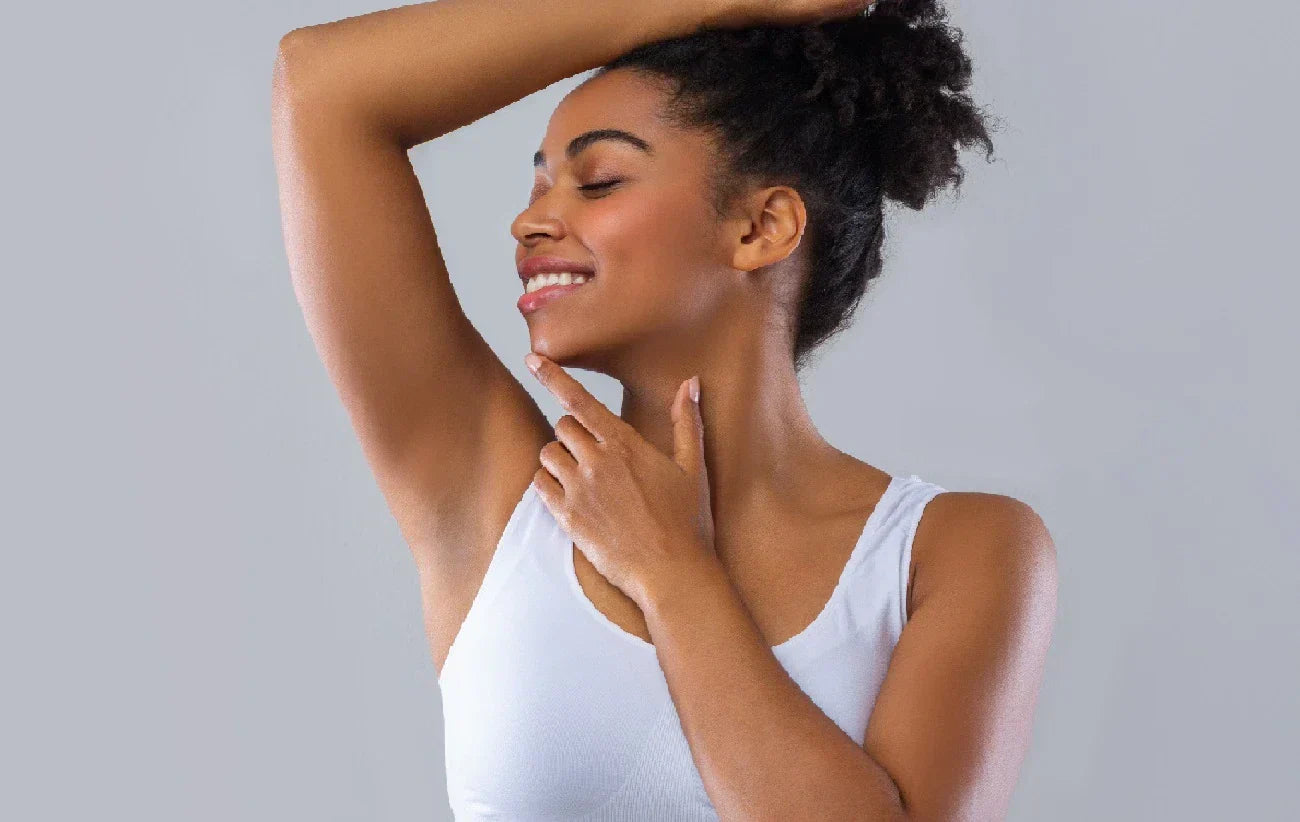
Common indicators include dark sweat patches under the arms paired with heightened body scent, clammy and chilled palms, damp feet leading to soggy socks, and perspiration trickling down the spine or cheeks. These manifestations signal that your sweat glands are responding to psychological or physical stressors like worry or discomfort. Gaining insight into the distinct sweat gland types and their unique responses to stress is essential for mastering control over this issue.
Key Distinctions Between Stress Sweat and Everyday Perspiration
Grasping the mechanics of normal sweating provides clarity on how stress sweat diverges, enabling more targeted interventions. Your skin features three distinct categories of sweat glands, each varying in secretion composition, anatomical placement, and activation triggers.

1. Eccrine Sweat Glands: The Primary Cooling System
Eccrine glands represent the predominant sweat producers in the body, distributed across nearly every inch of skin. They achieve their highest concentration on the palms and soles. These glands release a clear, saline aqueous fluid straight onto the skin’s exterior. This is the familiar sweat that beads on your forehead, streams along your back, or makes your hands slick during tension. Their core purpose is thermoregulation: the watery solution spreads over the skin and evaporates, dissipating heat to maintain optimal body temperature. Heat serves as the primary activator, although emotional cues can prompt activity, as evidenced by damp palms before a crucial meeting. Humans are born with the complete set of eccrine glands, but they remain inactive until around age two or three. As the body expands through childhood and adolescence, these glands disperse accordingly.
2. Apocrine Sweat Glands: The Source of Body Odor
Apocrine glands play a pivotal role in generating scents associated with the body. They stand apart from eccrine glands in composition, location, and sensory impact. Most people intuitively know their primary sites.
- In the axillary region (underarms),
- Across the chest area,
- On the facial and scalp surfaces, and
- In the genital zone.
Unlike eccrine glands, apocrine ones discharge into hair follicles rather than directly onto the skin. Males typically possess larger and more prolific apocrine glands compared to females. These glands activate at puberty, secreting a viscous, lipid-laden fluid rich in proteins, carbohydrates, and ammonia compounds. Such oily residues demand more robust cleansing agents for complete removal compared to watery eccrine output.
Apocrine secretions function as chemosignals, subtle chemical messages that humans can subconsciously detect, akin to pheromone systems in other species. The characteristic body odor arises when resident skin bacteria metabolize these nutrient-dense apocrine fluids through enzymatic processes. Armpit apocrine output is particularly prone to this transformation. Stress sweat, or ‘fear sweat,’ predominantly originates from these glands, yielding an oily discharge that bacteria readily convert into volatile odor compounds, mainly from the underarm area.

Adrenaline surges during stressful episodes, such as prior to public speaking, directly prompt apocrine gland activity. The intensity correlates directly with stress levels: heightened anxiety yields greater secretion volumes. Research confirms a proportional relationship between stressor magnitude and sweat output. Notably, cortisol from chronic stress does not appear to influence apocrine glands; acute stress drives this response exclusively. Studies further reveal that observers can instinctively sense stress sweat from others, triggering their own stress responses via emotional contagion markers like fearful facial cues. Evolutionarily, this aids group survival in threats, but it’s counterproductive in modern scenarios like presentations.
Fragrances fail to conceal stress sweat effectively. Conventional deodorants or perfumes offer minimal cover, necessitating evidence-based preventive measures over cosmetic masking. While facial expressions can be rehearsed, odor control demands proactive preparation.
Completing the sweat gland profile brings us to the third variety.
3. Apoeccrine Sweat Glands: An Emerging Discovery
Identified in 1987, apoeccrine glands remain somewhat enigmatic. They closely resemble eccrine glands in producing saline fluid but empty into armpit hair follicles. Emerging during puberty (ages 8-14), they can comprise up to 45% of axillary glands. Their precise contribution to stress sweating awaits further investigation.
Why Stress Sweat Produces a More Intense Odor Than Normal Sweat
Stress sweat exceeds regular volumes, blending apocrine and eccrine contributions. Adrenaline prompts apocrine release of complex lipids, which bacteria enzymatically degrade. Concurrent eccrine activation floods the area with saline, diluting yet amplifying the odor precursors.

This confluence creates saturated underarms broadcasting potent chemosignals resistant to simple masking.
Triggers Behind Stress Sweat Episodes
Adrenaline from psychological strain, apprehension, or ache signals apocrine glands. Distribution favors palms, feet, face, and underarms-the prime zones for odor complaints. While eccrine glands ramp up modestly via adrenaline, heat remains their dominant cue.
Effective Strategies for Managing and Mitigating Stress Sweat
Integrating behavioral adjustments with specialized skincare yields optimal reduction in both wetness and scent from anxious perspiration.
Optimal Deodorant Components for Stress Versus Activity Sweat
Odor emerges from bacterial degradation of apocrine matter. Superior formulations prioritize bacterial inhibition over mere scent overlay.
Suppressing Bacterial Action on Stress Sweat to Minimize Odor
Underarms harbor dense microbial populations. Staphylococcus dominates, with Corynebacterium (about 20%) driving much of the malodor. These thrive on skin and hairs, proliferating amid infrequent washing or elevated pH beyond the ideal 5.5. Leverage this knowledge strategically.
1. Preserve Acidic Skin pH to Curb Odor Development
To maintain a healthy skin pH and reduce odor, using a toner with a mild acidic pH (3.5-5.5) can be helpful. Alternatively, applying a glycolic acid lotion with a pH of 4 after a bath can provide effective control. Avoid using such products immediately after shaving to prevent irritation. Always monitor for signs of sensitivity.
2. Consistent Cleansing to Eliminate Bacterial Accumulation
Daily showers help wash away microbes that break down apocrine secretions. For enhanced skin care, consider using a gentle soap with ingredients like shea, olive oil, oats, and calendula. These can support healthy skin while addressing common issues related to body odor, seborrheic dermatitis, or fungal acne, without encouraging microbial resistance.
3. Hair Removal or Trimming to Limit Bacterial Habitats
Corynebacterium colonizes axillary hairs, sometimes forming visible buildup. Routine shaving or clipping, combined with antimicrobial washing, substantially diminishes odor as clinically demonstrated.
4. Antiperspirants to Block Eccrine Ducts and Curb Moisture
Aluminum salts in antiperspirants form plugs in eccrine openings (distinct from apocrine hair follicle ducts). Concentrations vary; seek higher ones like 12% aluminum chloride.
Lifestyle Modifications to Dampen Stress Responses
Since adrenaline fuels apocrine activity, counter with mindfulness, meditation, or biofeedback to temper reactions. Chronic stress exacerbates skin woes broadly. Address comorbidities like diabetes or obesity via diet and exercise to lower baseline sweating.
Seeking Professional Help for Persistent Excessive Sweating
Unmanaged symptoms warrant medical evaluation for underlying issues like infections, hormonal imbalances, malignancies, or medications. Secondary complications include acneiform eruptions or intertrigo. Tailored regimens or interventions like Botox or systemic agents may apply if no pathology exists.