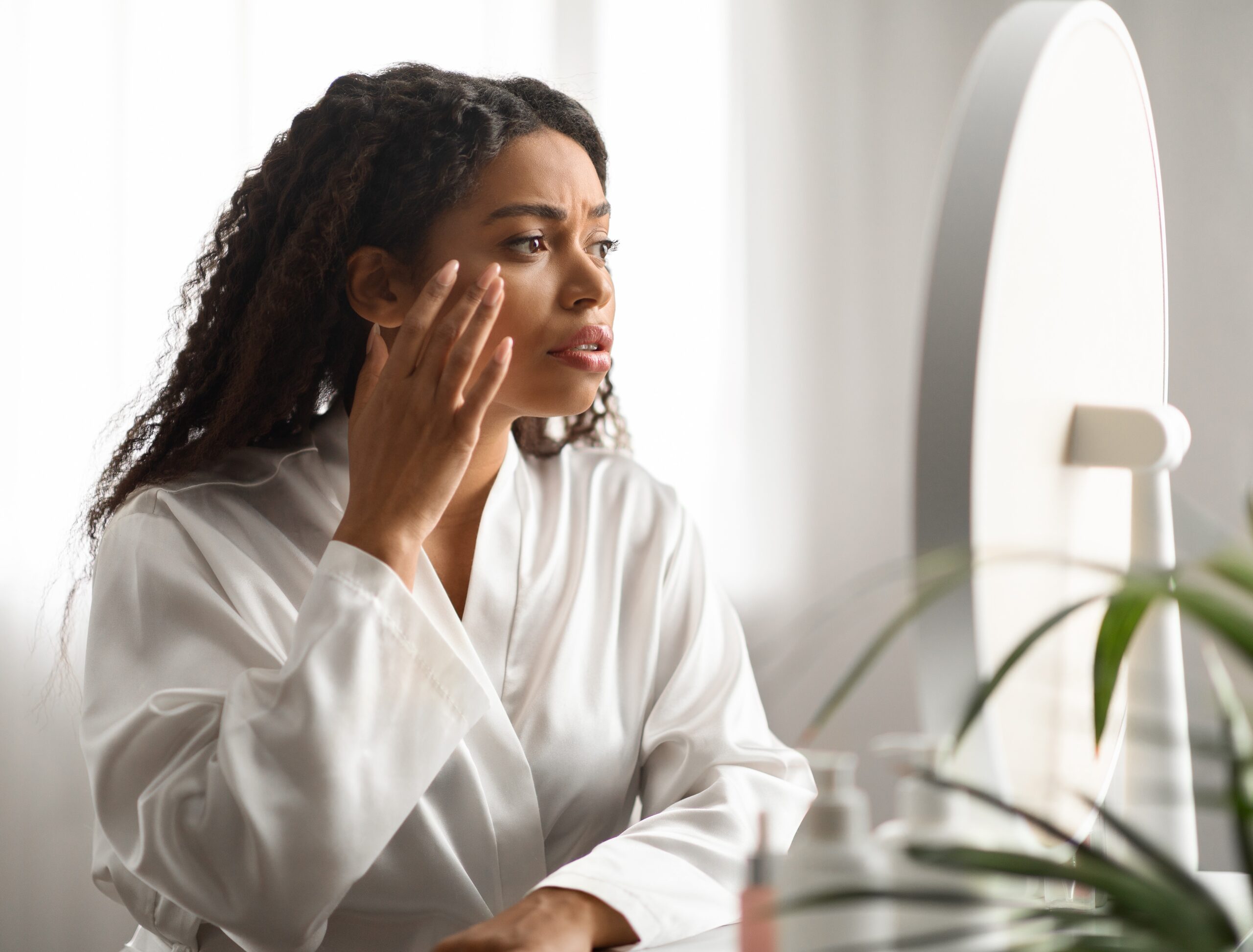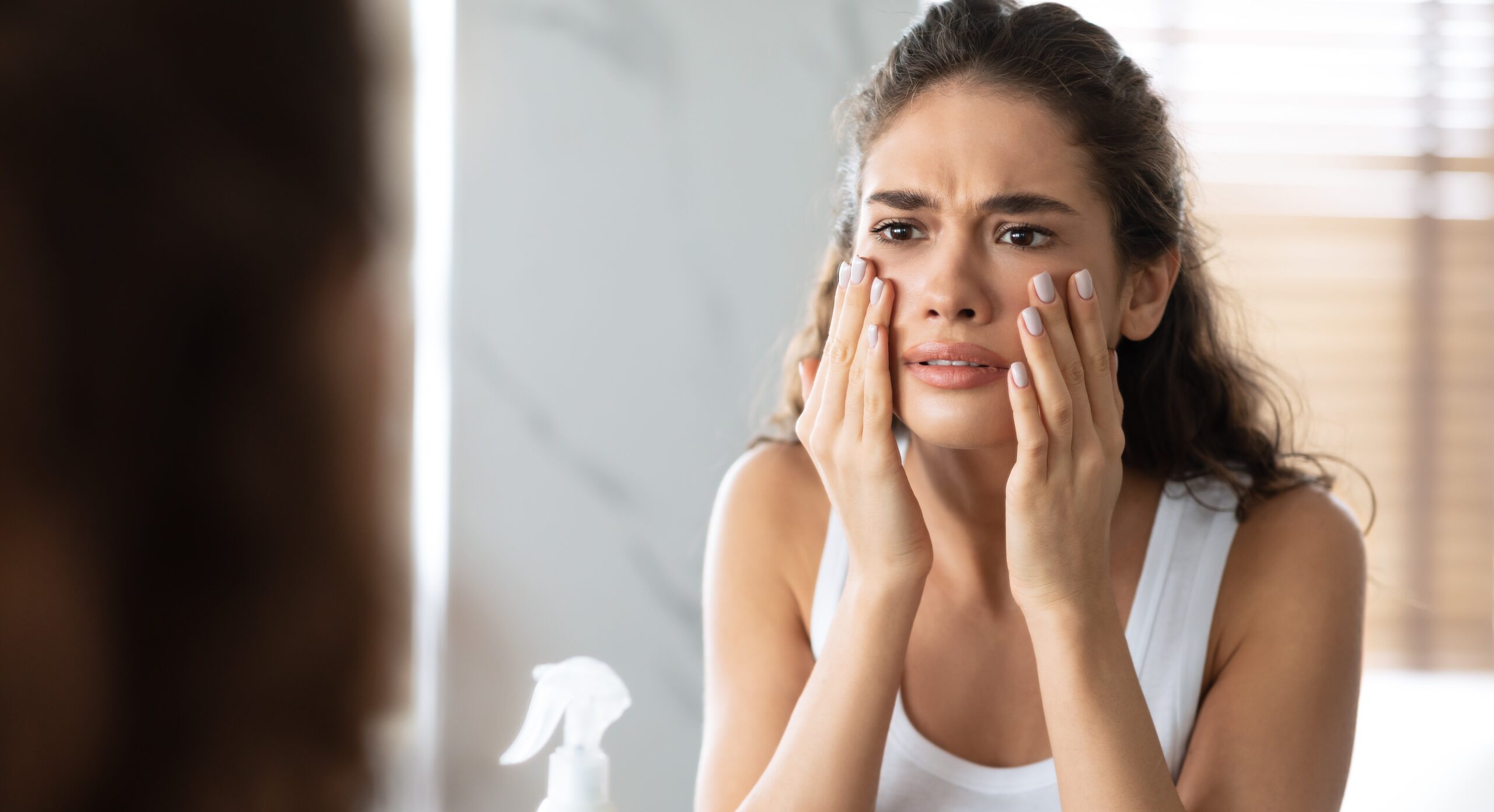
The Hidden Reasons You Still Have Acne

Stress, Sleep & Daily Habits
Sleep and Skin Health
Adequate sleep is crucial for skin repair. Lack of sleep increases cortisol levels, which in turn boosts sebum production, clogging pores and leading to inflammation. Experts recommend 7 to 9 hours of quality sleep for skin regeneration and overall health.
Stress and Acne
Stress also raises cortisol, resulting in more oil production and clogged pores. To reduce stress, try relaxation exercises, yoga, deep breathing, or simply taking a walk. Regular physical activity helps lower stress while improving circulation and skin health.
Hormonal Imbalances
Hormones play a huge role in the development of acne, especially for women. Hormonal fluctuations during puberty, pregnancy, and menstruation can trigger breakouts. However, chronic hormonal imbalances, such as those caused by polycystic ovary syndrome (PCOS), can lead to persistent acne.
If you’ve tried everything and your acne persists, have you considered getting tested for hormonal imbalances? Sometimes, seeking professional advice from a dermatologist or endocrinologist can provide insight into underlying issues that may not be immediately visible on the surface.
Take Care of Your Skin from the Inside Out
While topical treatments and skincare routines are essential, it’s just as important to take care of your body and mind. A healthy lifestyle, adequate sleep, stress reduction, and understanding your hormonal health can be the missing pieces in your acne treatment journey.
Have you ever looked into the potential impact of your daily habits on your skin? If your acne seems unstoppable, maybe it’s time to explore these hidden causes and take a more holistic approach to your skincare.
Have you ever looked into the potential impact of your daily habits on your skin? If your acne seems unstoppable, maybe it’s time to explore these hidden causes and take a more holistic approach to your skincare.