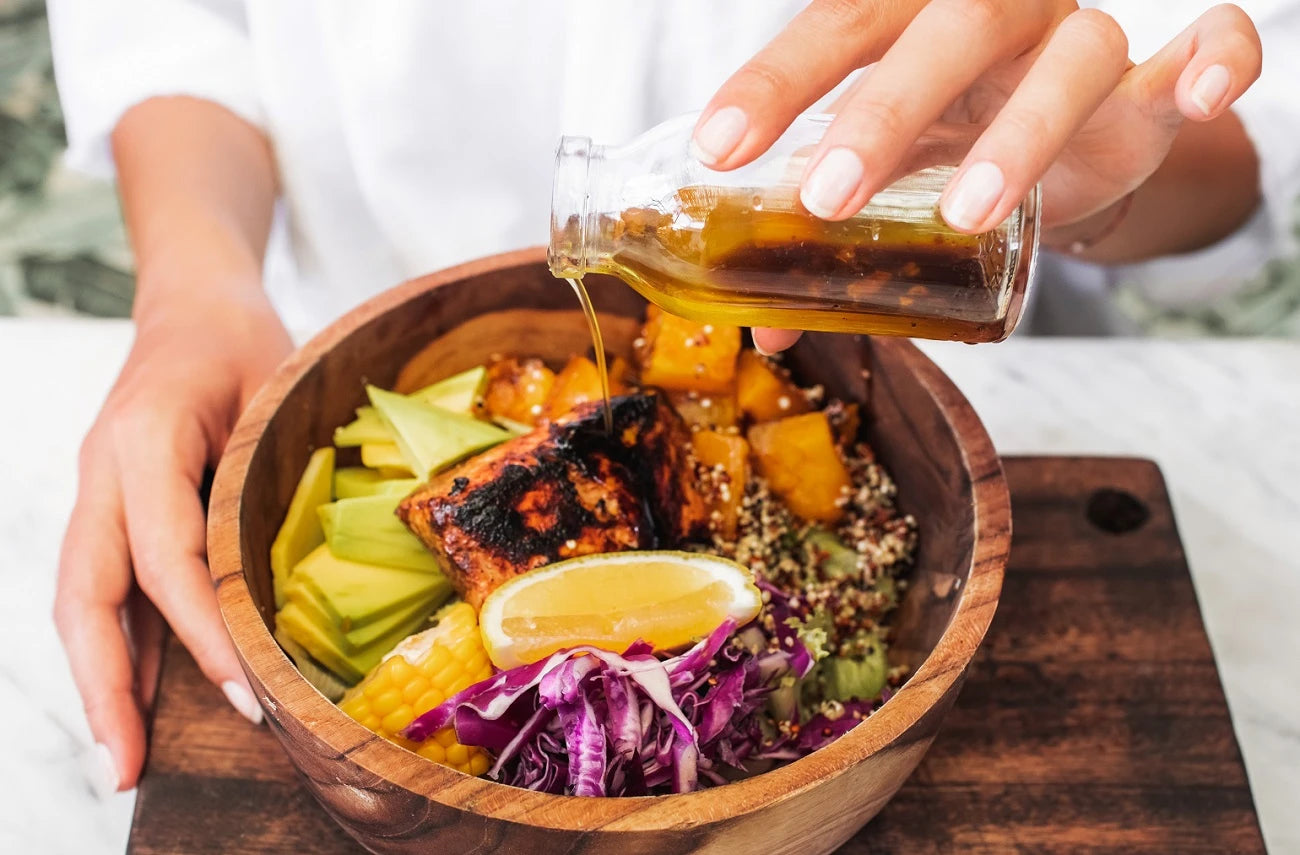
Top Nutrition Tips for Radiant Skin

Top 5 Diet Tips for Healthy Skin
Allow the meals you consume throughout the day to support your body’s natural mechanisms in managing various skin conditions. This approach is grounded in scientific principles, recognizing that the skin serves as the largest organ in the human body. It serves as a mirror reflecting the quality of the nourishment or ‘fuel’ you provide it. By incorporating the most beneficial foods that promote skin wellness and steering clear of those that trigger issues such as acne or psoriasis, you can cultivate a complexion that radiates with vibrant health. Implementing these strategies is straightforward and accessible.
The principle that ‘we are what we eat’ holds particularly true for skin health. By selecting the appropriate foods, you can witness nearly immediate enhancements in your skin’s appearance.
What you choose to eat directly influences the state of your complexion. The encouraging aspect is that adopting an anti-inflammatory diet involves straightforward principles that are simple to integrate into your routine without delay.
Conditions affecting the skin, including acne, psoriasis, rosacea, and premature aging, are largely propelled by your internal physiological state leaning toward or against inflammation. This is profoundly influential because the skin, as the body’s largest and most conspicuous organ, vividly displays your inner health status, whether positive or negative. Degenerative processes are also fueled by oxidative stress and free radical damage. Both inflammatory pathways and oxidative mechanisms are heavily shaped by the dietary decisions you make daily.
Opt for choices that actively suppress inflammation and oxidative harm, and your skin will correspondingly exhibit a vibrant, healthy glow.
Rather than fixating on specific berries or nuts, adopt a holistic perspective on nutrition. Adjust your everyday eating habits to counteract inflammation and free radical activity. My top five diet tips make this process remarkably simple and sustainable.
Tip #1: Eat the Rainbow of Fresh Produce
The vibrant colors in fresh produce signal the presence of diverse phytonutrients-essential compounds that benefit your cells in multifaceted ways. Prioritize filling the bulk of your daily intake with a colorful array of fruits and vegetables. While items like bright red ketchup count minimally, focus primarily on nutrient-dense options such as leafy greens, vivid orange carrots, sunny yellow bananas, and the full spectrum of produce colors.

Prioritize consuming a substantial volume of fresh vegetables and fruits each day. Whether enjoyed raw or prepared through cooking, allow these wholesome foods to satisfy your hunger and displace cravings for processed snacks. The rationale is clear and compelling.
Fresh produce is packed with indispensable vitamins, minerals, and antioxidants that your body requires for peak performance, inflammation control, and overall vitality.

Take antioxidants like beta carotene, for instance, which imparts the characteristic yellow and orange hues to many fruits and vegetables. These compounds empower your skin to withstand solar exposure and other free radical assaults, including those from environmental stressors like pollution or emotional strain.
Beta carotene stands out as the primary dietary provider of vitamin A, a nutrient indispensable for preserving skin integrity and function.
In my personal regimen, I ensure at least one ample portion of beta carotene-packed foods daily, as it imparts a desirable warm tone to the skin. Research confirms that this natural beta carotene radiance is perceived as more appealing than the dull, uneven shade from sun tanning.
Among my simplest methods for incorporating beta carotene, I categorize options by their striking orange and deep green shades:
For orange-hued choices, I maintain a ready supply of at least one yellow or orange vegetable for convenient consumption:

- Pre-washed fresh carrots are always on hand for snacking midday or while preparing evening meals.
- In a pinch, I pick up a container of fresh, unsweetened carrot juice during grocery runs-though it contains natural sugars without fiber, I favor whole carrots but use juice occasionally for convenience.
- I prepare sweet potatoes for roasting or cube pumpkin and winter squash, tossing them with olive oil for roasting. I batch-prepare enough for three days. Key advice: Pairing beta carotene sources with olive oil optimizes absorption.
- Seasonal sweet orange fruits like apricots, cantaloupes, papayas, mangoes, nectarines, and peaches offer delightful options, perfect atop yogurt or savored solo.
On the green side, I incorporate generous amounts of dark leafy greens, including popular varieties like kale, broccoli, spinach, and collards, which provide bonus calcium.
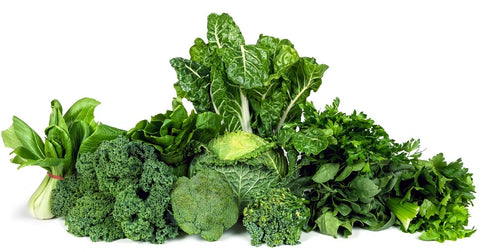
These greens stay fresh in my refrigerator for about a week after washing, making them grab-and-go ready for various preparations:
- Massaged kale salad dressed with olive oil, balsamic vinegar, a touch of maple syrup, salt, sliced onions, raisins, and massaged kale until fully coated. Topped with feta cheese and roasted nuts, occasionally with cooked quinoa, effortless and delicious.
- Quick sautés with garlic and greens in olive oil, or steamed broccoli as a dinner side. Leftovers make ideal next-day lunches, doubling the value.
Additional greens brimming with beta carotene include watercress, cilantro, parsley, and more. Interestingly, chlorophyll conceals the orange pigment, yet these greens are abundant in beta carotene.
Lycopene represents another potent, accessible antioxidant.

Recognizable in ketchup’s red hue, lycopene appeals universally, even to picky eaters. Its benefits amplify in fresh tomatoes, sauces, papayas, watermelons, and other red produce. Lycopene demonstrably shields skin from free radical damage.
Polyphenols form yet another category of powerhouse antioxidants derived exclusively from plants. Thousands of varieties exist, such as curcumin from turmeric or resveratrol from grapes and diversifying your intake mobilizes them against aging, disease, and skin deterioration.
Preparation method critically affects polyphenol retention, fresh and raw maximizes preservation. Opt for raw snacks or daily salads.
Polyphenols also abound in green tea (steep, don’t boil), coffee, red wine, dried beans, blueberries, and chocolate, all plant-sourced delights.
Fruits and vegetables further supply vitamins like vitamin C, crucial for tissue repair, wound healing, and collagen synthesis.

Vitamin C doubles as a frontline antioxidant against UV threats. Abundant in citrus fruits, kiwis, parsley, and beyond, these nutrients shine brightest from fresh sources. Sustained intake via daily produce ensures consistent skin levels for maximal efficacy.
Embrace abundant rainbow produce consumption to infuse your system with natural antioxidants and vitamins. Your skin gains a warm beta-carotene luminescence, resists disorders, and withstands stressors robustly. Complement with medical-grade skincare featuring proven antioxidants for facial skin optimization.
Tip #2: Eat Good Fats NOT Bad Fats
Prioritize beneficial fats while minimizing detrimental ones. Your body relies on dietary sources for essential fatty acids it cannot synthesize independently-critical for decelerating aging, combating inflammation, and nurturing skin health.
These encompass omega-3 and omega-6 fatty acids.

Omega-3 fats feature prominently in olive oil, fatty fish like salmon and albacore tuna, nuts particularly walnuts, flax and chia seeds, and leafy greens. They deliver potent anti-inflammatory effects, countering prevalent conditions such as heart disease, arthritis, cancer, and beyond.
I enthusiastically endorse flax seeds for their omega-3 content and have highlighted their merits previously. Daily, I grind about 1/8 cup fresh and sprinkle over yogurt, fruit, and nuts at breakfast. A dedicated coffee grinder simplifies this ritual. Flax also boosts fiber, fostering a thriving gut microbiome of beneficial bacteria.
Historically, fats faced undue vilification. Rest assured, quality fats like omega-3s support healthy cholesterol, avert heart issues, and more. Omega-6s are vital in balance; excess promotes inflammation. Found in sunflower/safflower oils, grains, meats, they require moderation.

Olive oil merits distinct acclaim. Regular consumers exhibit fewer wrinkles, owing to its polyphenols and squalane content, which combat free radicals and dryness. Paradoxically, topical olive oil compromises barrier function, limiting skincare use.
Our California garden yields olives sufficient for annual household oil. We drizzle extra virgin olive oil liberally over soups and dishes, often with lemon for flavor elevation.
Selecting superior fats nutritionally enhances skin health-simply choose wisely! Dr. B
Tip #3: Go Low Glycemic for Healthy Skin!

All foods influence blood glucose levels to varying degrees. Extensive research illustrates that persistent elevated blood sugar and frequent spikes foster diseases-including acne-and age-related degeneration like collagen breakdown in skin.
Foods differ in their rapidity and extent of elevating blood sugar, triggering inflammation and acute/chronic ailments. High-glycemic index (GI) foods provoke swift rises, culminating in glycation damage and glycative stress. This particularly impairs skin collagen, yielding stiffness and suppleness loss. Curtail high-GI intake to curb inflammation, glycation, preserving firm, clear, youthful skin.
A food’s GI hinges on multiple digestion factors, notably if carbohydrates are encased in fiber, proteins, fats, or other elements. The glycemic index quantifies this blood sugar impact.
- High-GI foods digest rapidly, spiking sugar: simple sugars (glucose, HFCS), refined carbs (white flour/rice, corn flakes). Think cookies, candy, desserts, energy drinks, sweetened beverages-avoid these; even occasional indulgence prompts headaches for me.
- Medium-GI digest moderately: less refined carbs like processed wheat, unpeeled potatoes, dried fruits, bananas, corn, sweet potatoes.
- Low-GI sustain steady glucose: beans, seeds, nuts, coarse whole grains, vegetables, intact fruits.
Fiber content inversely correlates with GI, slowing digestion. Meats/proteins rank low-GI sans fiber; consume lean, unprocessed moderately if non-vegetarian.

Bean and beef stew exemplifies low-GI, plant-forward eating with moderated meat, featuring beta carotene carrots. Enhance with olive oil or vinegar to further depress GI. I envision drizzling oil and lemon atop this appealing dish.
Low-GI foods promote satiety via prolonged digestion, averting sugar crashes and cravings. This stability aids weight control, inflammation reduction, and skin clarity.
Diabetes exemplifies high-GI perils: repeated spikes damage proteins, vessels, organs. Subtler high-GI effects induce glycation and inflammation, aggravating psoriasis, rosacea, dandruff, acne, aging. High-GI accelerates collagen decline, acne flares, systemic inflammation. Embrace low-GI for luminous, resilient skin! Dr. B
Tip #4: Eat Probiotic Foods Daily
Nurture your gut microbiome assiduously, as it underpins vitality, mood, and wellness. For over four decades, I advocated this; science now ties dysbiosis (microbial imbalance) to depression, obesity, asthma, rosacea, autoimmunity like arthritis/lupus. Dysbiosis inflames, eroding health; related conditions proliferate.

The gut-skin connection links microbiome health to resisting eczema, psoriasis, acne, expanding further. Daily diet cultivates beneficial microbes, bolstering skin indirectly via complex pathways under active study.
Beneficial strains are time-tested fermenters in traditional foods. Hence the fermented food surge. Daily servings of yogurt, kefir, barrel pickles, sauerkraut, kombucha, kimchi sustain them.